Neurologist. Researcher. Author. Musician.
It turns out these are all the same thing.
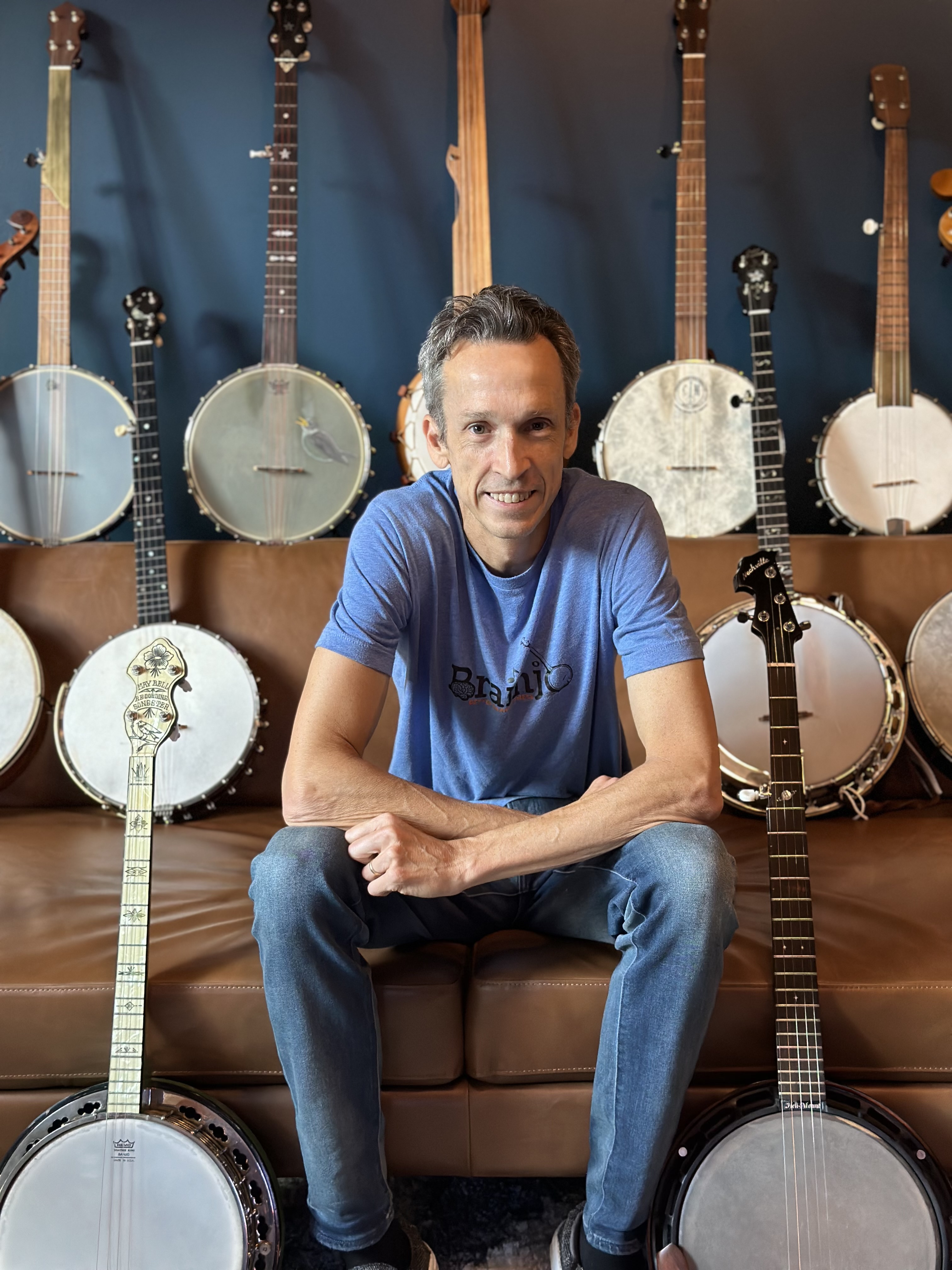
I'm a neurologist. I spent the first part of my career studying what happens when the brain goes wrong—cognitive disorders, dementia, migraine—and what to do about it.
But the deeper I went, the more I found myself pulled toward the opposite question. Not why brains fail, but how they produce extraordinary capability in the first place—and why we so badly underestimate what every brain is capable of.
What struck me is that the questions that matter most about human potential have no field of their own. How do we build ability? How do we access it when the pressure is on? How do we sustain it across a lifetime? Each one gets studied in isolation—by educators, by sports psychologists, by researchers on aging—with no shared science connecting them. And almost none of it starts where it should: with how the brain actually works.
The Institute for Performance Neurology
That's why I founded the Institute for Performance Neurology: to study those questions together, as one science, and to start where they should start—with the brain. Performance Neurology is the name for that work—how we build, deploy, and sustain human capability across a lifetime.
It's where the science gets built—and where it becomes something people can actually use.
Research & Clinical Work
My research has focused on Alzheimer's disease, cognitive aging, and what protects or accelerates decline. Clinically, I've treated patients with memory disorders, dementia, and complex headache conditions.
The question that runs through all of it: what does the brain need to stay functional? The answer keeps coming back to learning. Your brain needs it like your body needs movement.
Brainjo & Adult Learning
Brainjo started as an experiment. I wanted to see if learning science could actually help adults who'd given up on music—whether we could systematically remove the obstacles that typically cause people to quit.
The experiment grew. Brainjo now reaches thousands of adult learners around the world. And the results keep confirming the same thing: when adults struggle to learn, the problem is almost never their brain. It's that nobody taught them how.
Music
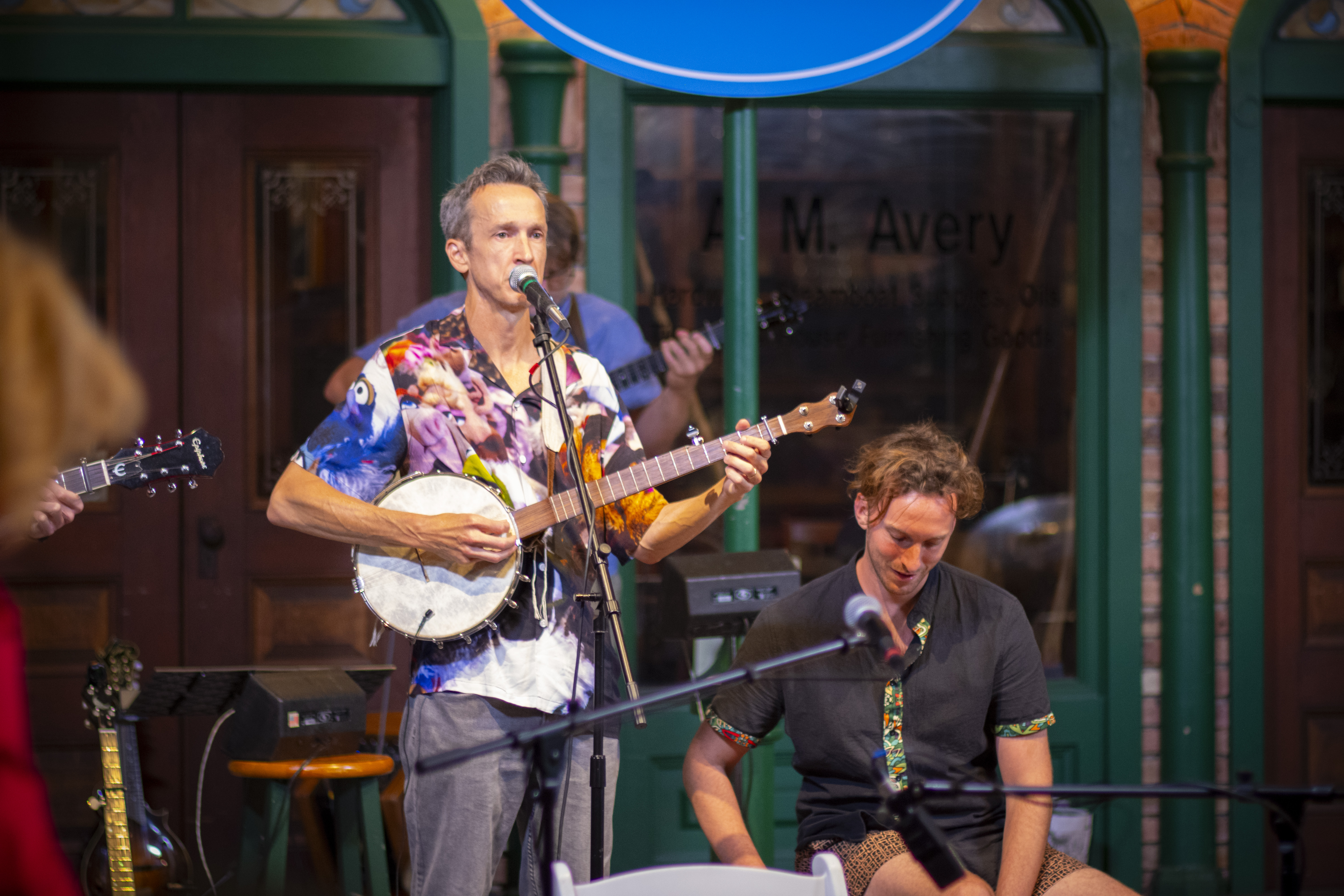
I've played music most of my life—banjo, guitar, fiddle, piano, various stringed things. The music and the neuroscience ended up being the same inquiry from different angles.
Understanding how the brain learns made me a better musician. Being a musician gave me a laboratory for testing ideas about learning. The performance work includes several projects: Wandering South, Chillgrass Project, and the Georgia Jays.
Writing & Other Work
I write about the brain, learning, and human capability. The books include Anyone Can Play Music, The Migraine Miracle, and Keto for Migraine. The Genius and the Impostor is available now.
I also extend these ideas in more conversational formats through the Better Brain Fitness podcast and my newsletter, Brains, Banjos, & Beyond.